NOVA, the health copilot for astronauts on the way to Mars

Tap to hear Nova
0:00

NOVA is a concept for NASA Space Apps 2026. The interfaces are designs, the crew and numbers are demo data, and the models describe the architecture we propose.

The design

Six models. One copilot.

Each one would be trained on real science on Earth and built to run on board, offline. Together they turn a wearable, a short voice check-in and the ship's radiation sensors into one daily answer: how ready is each astronaut today?

Sleep

Pulse, motion and skin temperature, night after night.

PhysioNet sleep studies · crew data
Stress

Heart rate variability against each person's own baseline.

HRV research · personal baseline
Fatigue

Sleep debt and circadian timing, to forecast alertness.

Two-process sleep model (Borbély)
Voice and mood

A one-minute evening chat. No forms to fill in.

Small language model on board
Radiation

Dose budget per person and warnings when the Sun erupts.

NASA DONKI · GOES · MSL RAD
Bone, muscle and eyes

Exercise, ultrasound and eye exams the crew already does.

NASA Human Research Program
Every night

While the crew sleeps,
Nova goes home.

A 6 KB report crosses up to 22 light-minutes to Earth. The plan: Nova learns there overnight, and a smarter version flies back to the ship.

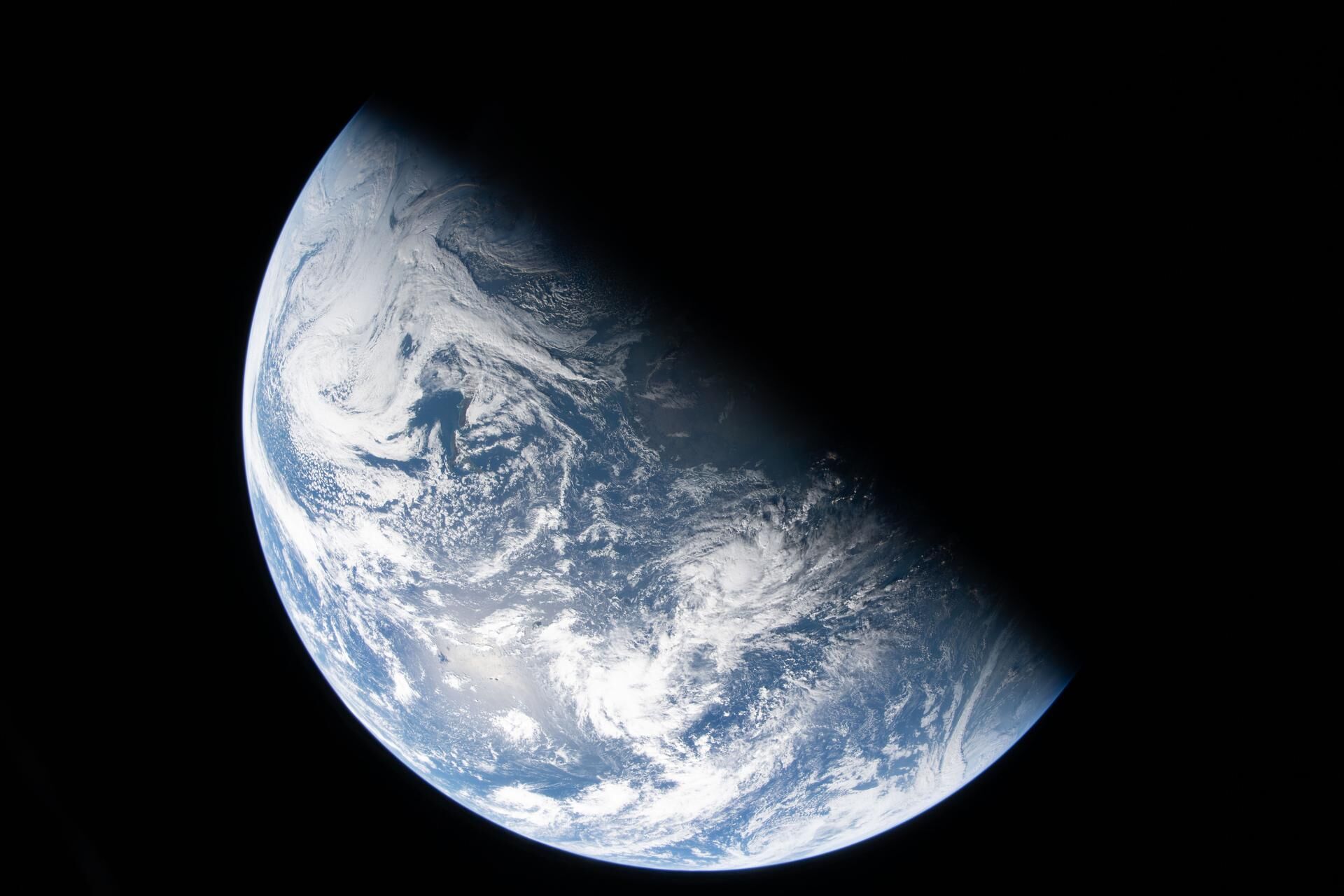
PHOTO · NASA / ARTEMIS II
Proposed learning loop

It thinks on board. It learns at home.

One night of the loop, running live. Move the ship farther from Earth, hide it behind the Sun, or try to slip a bad update past Mission Control.

Illustrative simulation of the proposed design. One-way light time between Earth and Mars ranges from about 3 to 22 minutes, and around solar conjunction, roughly every 26 months, Mars missions pause commanding for about two weeks (NASA). Report and update sizes, alert error and approvals are design targets and demo data.

Try it

Radiation adds up. Nova keeps count.

Drag through a mission to Mars and watch the dose build up against NASA's career limit. Then hit the crew with a solar storm.

Illustrative mission: 180 days of cruise each way and 500 days on Mars. Daily doses measured by Curiosity's RAD: 1.84 mSv in cruise (Zeitlin et al., 2013) and 0.64 mSv on the surface (Hassler et al., 2014). Storm values are illustrative.

Built on NASA science

Every number has a source.

225M km

average distance from Earth to Mars

22min

for a message to reach home, one way

1–1.5%/month

of hip bone density lost in microgravity

≈660mSv

for a round trip to Mars, over NASA's 600 mSv career limit

NowPrototypeSpace Apps 2026
Step 2HERA45-day analog mission
Step 3CHAPEAOne year in a simulated Mars habitat
Step 4Space stationReal crews, real orbit
GoalArtemis and MarsEarth-independent medical care
Videos

Nova, in short films.

Meet Nova, her friends and the training for Mars.

FAQ

Ask before launch.

Is NOVA real?

NOVA is the concept our team is taking to the NASA Space Apps Challenge 2026 (November 14–15), for the challenge "Create Health Monitoring Software for Astronauts". In those 48 hours we'll build a working prototype. The interfaces here are designs; the crew and numbers are demo data.

Does it need a connection to Earth?

It's designed not to. Every model would run on board, offline. Once a night, Nova would send Mission Control a report of about 6 KB, smaller than a photo.

Who sees what an astronaut shares?

The astronaut decides. Vital signs go to the flight surgeon, feelings only to their psychologist, and their journal stays theirs.

Does Nova replace the flight surgeon?

No. Nova watches every minute and explains what changed and why. The decisions stay with the crew and their doctors.

Where does the training data come from?

It would come from NASA open science (OSDR, DONKI, MSL RAD), analog missions like HERA and CHAPEA, and public sleep and heart datasets from PhysioNet.

NOVA. Health that travels with you.

NASA Space Apps Challenge · November 14–15, 2026